Choosing Gym Flooring for Strength, Cardio, and Sprint Training
Oct 30, 2026
Nantong, Jiangsu Oct 30, 2026 (Issuewire.com) - A gym floor does more than cover the surface beneath exercise equipment. It influences how comfortably people move, how easily spaces can be maintained, and whether the surface suits a particular activity. A platform that works well beneath a treadmill may not offer the same response as a dedicated sled lane or an area used for free weights. Choosing flooring by appearance alone can overlook these practical needs.
Modular tiles, resilient rubber, and synthetic sprint turf address different priorities. Understanding how each behaves during use helps facility planners and coaches design layouts suited to varied routines.
Assess Training Activity Before Surface Appearance
Floor selection starts with a simple question: what will happen on this surface most often? Weight training introduces concentrated loads and occasional impacts. Cardio areas see repeated footfall and wheeled equipment. Functional training may involve lateral movement, dragging equipment, kneeling, or changes of direction. Each activity places different demands on grip, resilience, stability, and cleaning.
The underlying floor also matters. An uneven or damp subfloor can affect how securely a finished surface sits and how well joints remain aligned. Movement routes also matter. Avoid routes that cross sprint lanes and equipment that creates trip hazards.
A suitable flooring plan begins with activity zoning, subfloor assessment, and realistic maintenance expectations rather than a single product specification.
Where Interlocking Gym Flooring Makes Sense
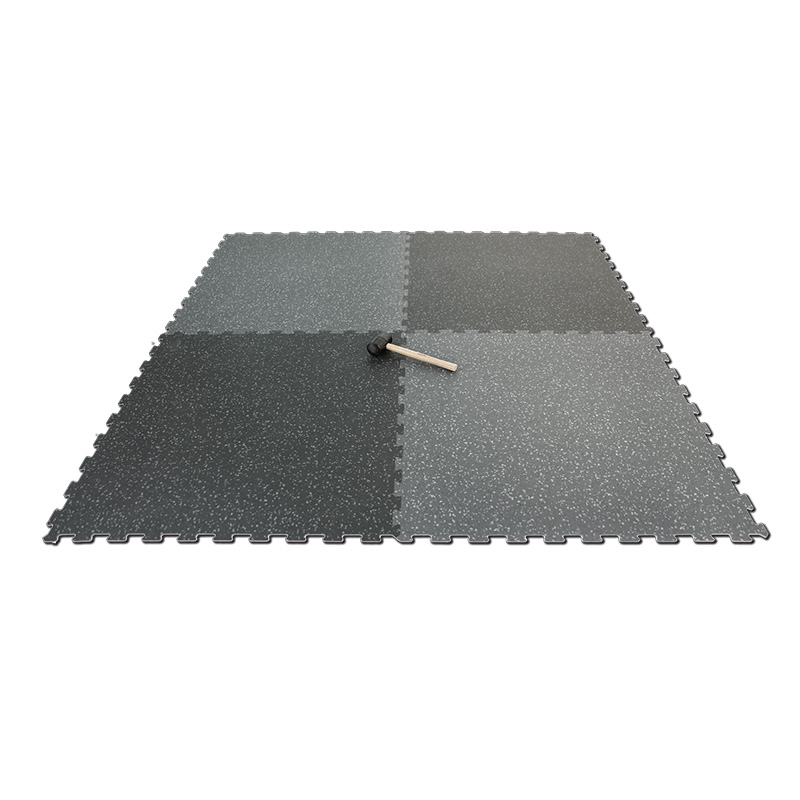
Interlocking Gym Flooring uses a modular design in which individual sections fit together to form a continuous surface. This format can be useful in multipurpose training rooms, adaptable studio layouts, and spaces where access to the subfloor may be needed. Many systems permit adhesive-free installation when subfloor conditions are suitable.
Interlocking Gym Flooring Tiles can simplify localized repairs. When a section becomes worn or damaged, the affected piece may be replaced without removing the surrounding floor. Some versions have protective finishes intended to resist routine scuffs, moisture, and stains, depending on the material.
Fit and edge treatment are critical. Poorly seated connections can create raised joints, while unsuitable transitions may become obstacles during exercise. Check resistance to rolling loads, foot traffic, and equipment. Modularity is an advantage only when the installed surface remains stable.
Rubber Flooring for Impact and Regular Use
Strength areas often require a different balance of firmness and cushioning. Durable Gym Rubber Flooring is commonly used where dropped objects, equipment movement, and frequent activity put greater stress on the floor. Dense rubber surfaces can help absorb some impact, reduce transmitted noise, and protect the underlying structure from routine wear. Protection varies with construction, thickness, and installation conditions.
A textured surface may support traction during squats, lunges, and other controlled movements. However, slip resistance should be assessed under actual use conditions, including exposure to sweat and cleaning residue. Flooring cannot compensate for unsafe practices.
Rubber flooring can also suit cardio and shared exercise zones because it is generally easy to clean and tolerates repeated use. Assess equipment stability, load suitability, and cleaning compatibility.
Sprint Turf for Directional Movement
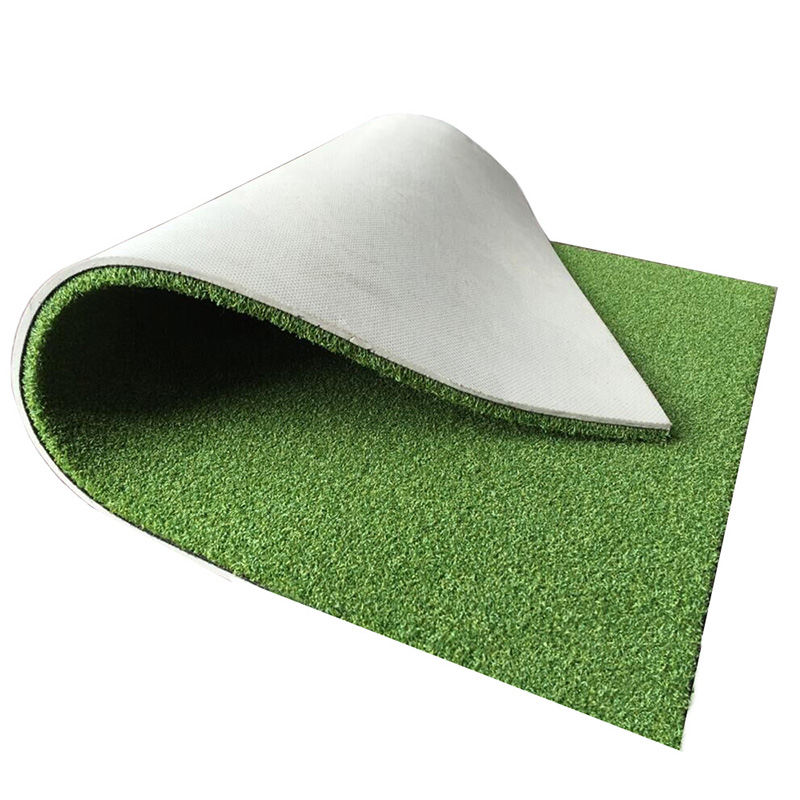
Sprint training demands a surface that allows acceleration, foot placement, and controlled changes of direction. Sprint Track Turf for High-Performance Indoor and Outdoor Training is designed around these movements, with dense synthetic fibers intended to withstand repeated contact during agility drills, sled pushes, and short runs.
Compared with hard finished floors, turf provides a distinct underfoot feel. Fiber texture can affect how footwear grips the surface, while the backing may contribute to cushioning. Softness alone does not establish better performance or lower injury risk.
For sled work, the interaction between the sled base and turf matters as much as the turf itself. Excessive friction can interrupt movement, while too little resistance may change the intended exercise. Outdoor installations require attention to drainage, weather exposure, and material suitability. Indoors, consider cleaning access and turf edges.
Combining Materials in One Training Space
No single flooring type needs to serve every station. A practical layout may use interlocking sections for general exercise areas, rubber flooring around free weights, and a designated turf lane for sprint and sled drills. This matches surfaces to activities and equipment.
The challenge lies at the boundaries. Where materials meet, differences in height, firmness, or traction can disrupt movement. Transition strips and secure edge finishes should be compatible with the flooring system and checked for protrusions. Clear routes between stations reduce unnecessary crossing of active training areas.
Sound management is another consideration. Rubber may lessen impact noise in some settings, but transmitted vibration also depends on the subfloor and building structure. Consider nearby rooms, access, and activities, not just appearance.
Installation Checks That Support Everyday Use
Before installation, confirm that the subfloor is clean, level, dry, and suitable for the selected material. Follow the product's requirements for moisture tolerance, expansion space, fixing methods, and underlayments. A floor designed for loose laying should not automatically be installed like a bonded system, and outdoor products should be checked for site-specific exposure.
Sampling a small section can reveal issues that descriptions alone may miss. Test how footwear feels during ordinary movement, how equipment rolls across the surface, and whether the finish creates unwanted glare or tracking marks. Check how the material behaves during cleaning, including its drying time before exercise resumes.
For shared facilities, accessibility and circulation deserve attention. Entrances, edges, and changes in surface should permit predictable movement for users and staff. Such checks help make installation a functional decision.
Maintenance Is Part of Flooring Performance
A surface that performs well at installation can become less reliable if dirt and damage accumulate. Dust, moisture, and residue can affect traction, while gaps or lifting edges may develop into trip hazards. Routine inspections identify problems early.
For modular tiles, inspect connectors and replace damaged pieces as recommended. For rubber surfaces, remove grit that can abrade the finish and use cleaners approved for the material. Turf requires attention to debris trapped among fibers, worn areas along common movement paths, and changes in how the backing feels underfoot.
Cleaning methods should follow the manufacturer's instructions rather than relying on strong chemicals or excessive water. Areas should be allowed to dry before use, and persistent movement or damage should be assessed promptly.
Choosing With Purpose
Effective Gym Flooring is not defined by a single feature. It comes from matching the surface to the activities it must support, preparing the base correctly, and maintaining the installation over time. Interlocking systems offer layout flexibility and convenient section replacement. Resilient rubber surfaces help accommodate load and impact. Sprint turf supports training that involves acceleration, agility, and equipment dragging.
The decision should also account for comfort, maintenance, and circulation. Using complementary materials can create an adaptable environment without expecting every surface to perform every task.
Source :Nantong Sports Goods Industry Belt
This article was originally published by IssueWire. Read the original article here.



YOUR NEWS, OUR NETWORK.
Do you have Great News you want to tell the world?
Be it updates about your business or your community, you can make sure that it’s heard by submitting your story to our network reaching hundreds of news sites across 6 verticals.